
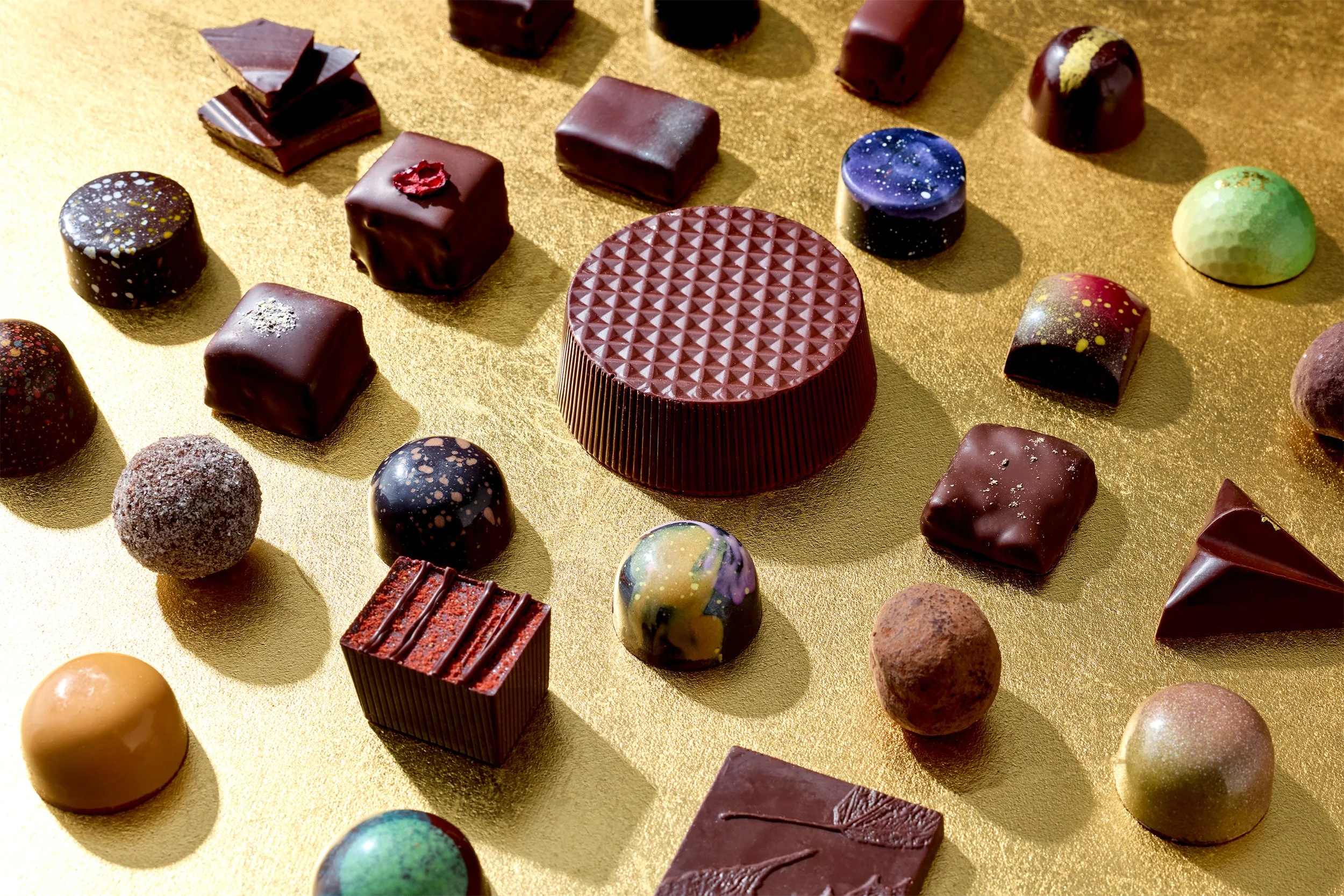
Photo Credit: Carly Hackbarth
How to Write a Food & Beverage PR Pitch That Gets Opens
The best pitches don't read like press releases. They read like you're letting a journalist in on something they'd genuinely want to cover. Here's the anatomy of a pitch that works.
Start With The Hook, Not The Preamble
Skip the "I hope this email finds you well" opener. Lead with the most compelling angle immediately - whether that's an unexpected collaboration, a proof-of-concept residency, or a holiday collection that reimagines a classic.
Weak: "I'm reaching out to share some exciting news about our client's upcoming Valentine's Day collection."
Strong: "Valentine's Day gets the [brand] treatment this year with their most ambitious lineup yet."
Use Specificity To Build Credibility
Vague descriptions like "delicious" or "innovative" mean nothing. Give journalists concrete details they can visualize and quote:
Exact measurements (two-foot red box, 36-hour au jus)
Specific techniques (drizzled not dipped, counter service with fine-dining plating)
Price points that tell a story ($55 prix fixe, $168 luxury gift)
Regional ingredients with provenance (Hokkaido cream, Monterey hydroponic strawberries)
The details do double duty: they prove you know the product intimately, and they give journalists ready-made copy.
Structure For Scanability
Journalists skim before they read. Use:
Short paragraphs (2-3 sentences max)
Clear hierarchy (lead with the flagship product, then supporting items)
Bullet points or dashes for menu items or product lists
Bold sparingly for product names or key phrases
Your pitch should be readable in 60 seconds with all key information retained.
Front-Load The "Why Now"
Answer the unspoken question: why should this run now versus next month? Time-pegs include:
Seasonal relevance (Valentine's Day, holiday collections)
Limited availability (five-night residency, one-day sample processing)
Testing phase before expansion (proof-of-concept for brick-and-mortar)
Collaboration or partnership announcements
Provide The Service Journalism Angle
Make the journalist's job easier by including everything they need:
Direct quotes ready for publication
High-res image links with photo credits
Pricing so readers know if it's accessible or aspirational
Availability details (reservation links, sample request forms, launch dates)
Context (background on the chef, the venue, the concept)
Write Quotes That Sound Like Humans
Bad quotes sound like marketing copy. Good quotes reveal philosophy or process:
Generic: "We're excited to bring this new concept to our customers."
Specific: "We're testing how far counter service can be pushed without sacrificing hospitality. The brasserie spirit is energy and conviviality. Counter service can enhance that rather than diminish it."
If you're manufacturing quotes for approval, make them conversational and insight-driven.
End With Clear Next Steps
Don't make journalists hunt for information. Tell them exactly how to:
Request samples (with any deadline constraints)
Schedule interviews
Access additional materials
Include: Sample request forms, press kit links, spokesperson availability, and any logistical notes (like fragile products requiring specific shipping dates).
The difference between a pitch that gets ignored and one that gets coverage often comes down to whether you've made the journalist's job easier. When you provide clear details, strong quotes, and ready-to-use information, you're giving them the foundation they need to move quickly on your story.