
Why Media Events Are One of the Most Powerful Tools in PR
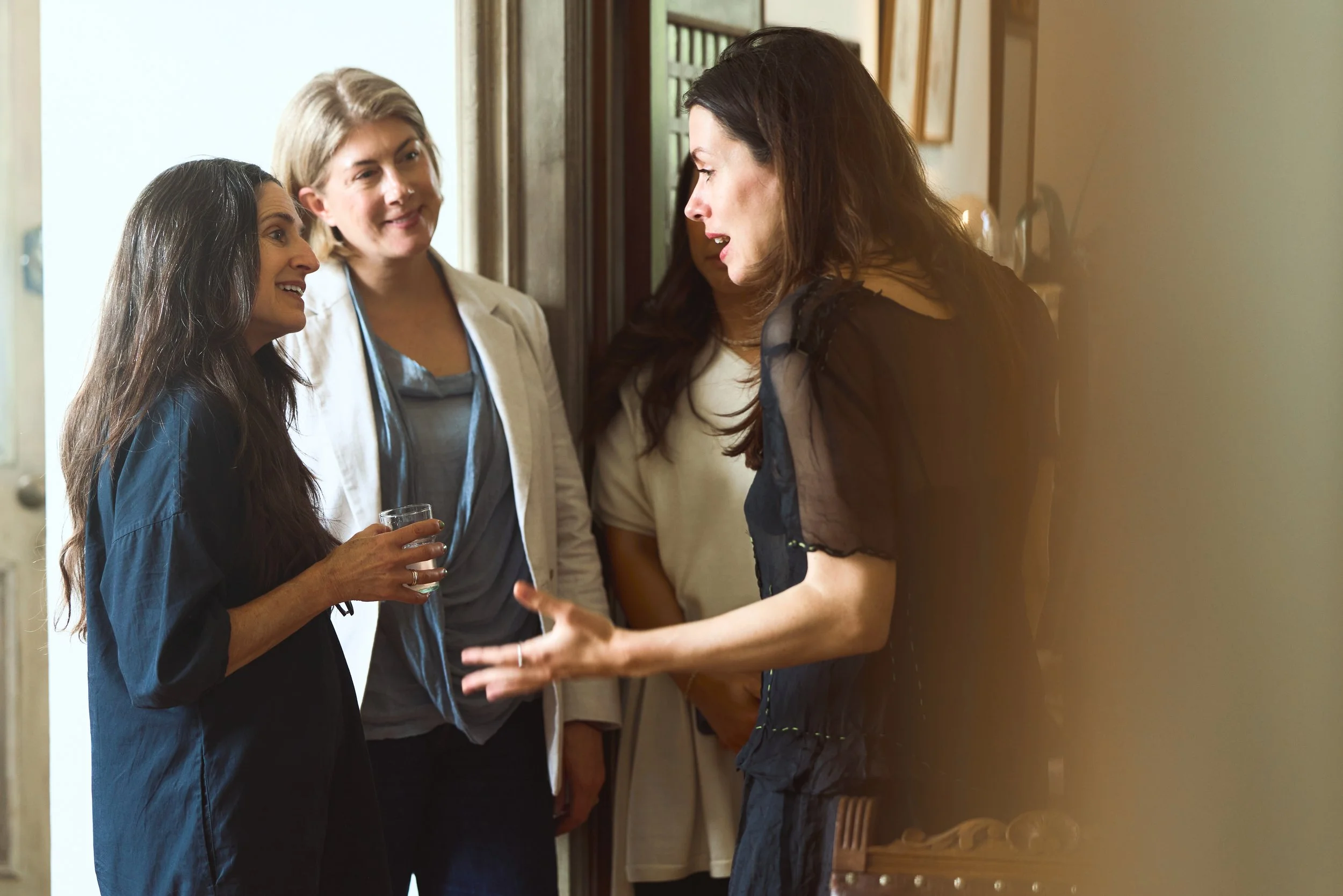
Photo Credit: Kirby Stenger
A press release tells your story. A media event lets journalists, creators, and industry tastemakers experience it firsthand, whether that's over a shared meal, a first look at a new space, or a hands-on preview, with the details close enough to see, taste, and ask about directly. That firsthand experience is often what turns a passing mention into a feature.
But a great media event doesn't happen by accident. It takes strategy, a strong guest list, and a lot of behind-the-scenes coordination.
There's Always a Reason to Gather
Media events work best when they're tied to real news. Some of the most common reasons to host one include:
Launching a menu
Introducing leadership
Unveiling a product
Celebrating a major milestone
Announcing a new partnership
These can take the shape of a seated dinner, a tasting, a launch celebration, or a media preview ahead of a public debut. The format should fit the story, not the other way around.
For a client launching a new creative venture, M. Janning Communications helped shape the inaugural event as a strategic, brand-building moment. That meant workshopping the vision and success metrics before a single invitation went out, building a guest list of lifestyle journalists, influencers, and potential collaborators, and drafting the language for the event description, invitation, and website.
For a restaurant client, we organized a media dinner to introduce a completely reimagined menu format timed to the restaurant's five-year anniversary, giving a small group of journalists a first look at the new concept before it launched to the public.
The Guest List Is the Strategy
Who you invite matters just as much as what you're serving or showing. A strong media event guest list typically includes a mix of local press and freelance writers, industry peers, content creators and influencers, and relevant community or tourism contacts.
Before the event, put together a document that outlines exactly who's coming: their outlet or platform, their beat, and relevant background. That way, you can walk into the event feeling confident, make the right introductions, and speak to each guest's specific interests.
The Details Make the Difference
Personalize your invitations, and follow up at least once with anyone who hasn't responded. Note dietary restrictions and plus-ones as they come in, and if parking is tricky, arrange rideshare vouchers.
Track every guest from invitation through the night of the event and afterward, so you know who's confirmed, who's checked in, and who's posted about it afterward. This is the part most teams rarely have the bandwidth for on top of everything else on their plate.
For both of the events mentioned above, M. Janning Communications was on-site managing check-in and making warm introductions between media and the team.
The Work Isn't Over When the Event Ends
Once the event wraps, track who captured content during the event, follow up with a thank-you note to every guest, and monitor resulting press hits and coverage over the following weeks.
For our clients, we compile all of this into a summary report, so they can see exactly what the event generated, from articles to social posts.
Media events are one of the best tools in PR, but they take time and attention to plan thoughtfully and execute well.
Interested in hosting a media event? Let's set up a time to talk.
