
How to Host a Virtual Tasting That Actually Works
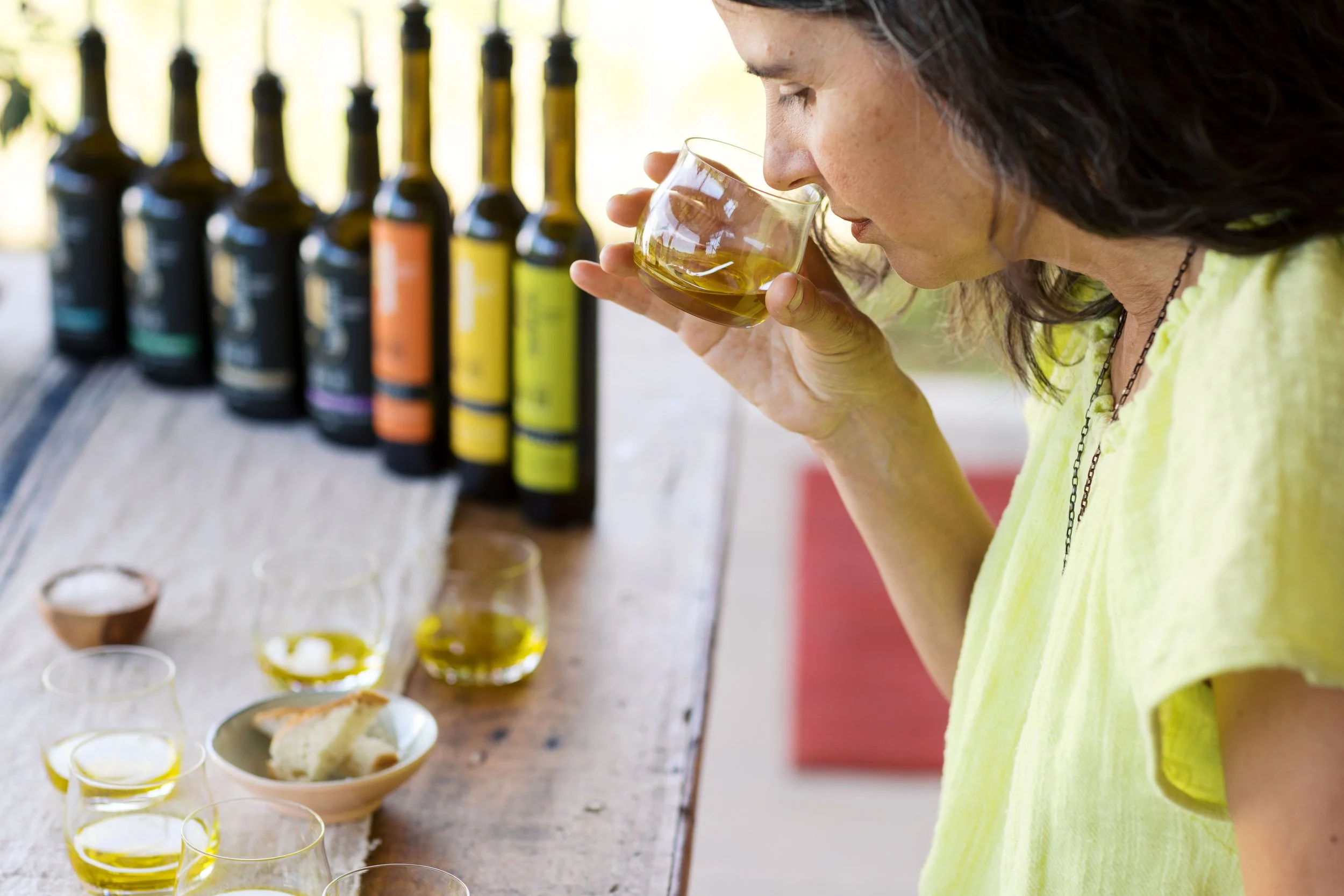
Photo Credit: Paige Green
Virtual tastings have become one of our favorite tools for generating meaningful media coverage, and for good reason. When done well, they offer journalists an immersive, hands-on experience with a product that no press release can replicate. We recently produced a virtual olive oil tasting for the California Olive Oil Council, and clarifying a clear playbook for what makes these events sing.
Start with a compelling hook.
The best virtual tastings are built around a story, not just a product. Our next tasting is anchored to a timely angle (the UN's designation of 2026 as the Year of the Female Farmer), which gives journalists a reason to attend beyond the oils themselves. Before you plan a single logistical detail, ask: what's the larger narrative here?
Keep your panel tight.
More isn't more. For our first tasting, we capped participation at three producers, who each had 7 minutes to present, and limited each brand to highlighting one oil. This kept the event focused and left room for real conversation. A one-hour window goes fast, so build in time for Q&A. That's often where the most interesting story angles emerge.
Logistics are the whole game.
A virtual tasting lives or dies by its sample shipments. We consolidated all oils and printed materials at one central location for co-packing, which ensured every journalist received a cohesive, branded experience. Remember to build in buffer time for shipping — we required oils to arrive at the hub a full two weeks before the event.
Communicate thoughtfully with attendees.
The invitation should include a compelling hook, a clear description of what to expect, logistical details, and a specific ask.
The confirmation is your chance to build excitement and set expectations. Include tracking information for their sample kit, a description of what's in the box, the tasting structure, and any preparation tips (palate cleansers, room temperature storage, etc.).
In addition, we put together a digital press kit with bios for each speaker as well as logos and images.
Brief your panelists before the big day.
Before the tasting, we scheduled a pre-call run-through. This aligned everyone on format, timing, and tech. Plus, it gave panelists a chance to sharpen their talking points before a live audience.
Follow up with intention.
The tasting is just the beginning. The next day, we followed up with each attendee and included personalized story angle pitches tailored to the questions they asked during the event. One attendee asked about polyphenols and pomace oils — two distinct story ideas that came directly out of the conversation. Your follow-up should reflect that you were actively listening.
Virtual tastings take real coordination, but seeing engaged journalists, strong coverage, and building lasting relationships is well worth the effort.
Interested in producing a virtual tasting for your brand? We'd love to talk!
